The sub-grant: “INTEGRITY HACK: Open Data Against Political Corruption” was part of the project “Integrity Watch in the Western Balkans and Turkey: Civil Society Organizations in the Fight Against Corruption Using Political Integrity Data”, implemented by Transparency International-Macedonia and supported by the European Union. This sub-grant was implemented by Ohrid Institute for Economic Strategies and International Affairs. The project was implemented through a set of closely connected activities that moved from outreach and participant mobilization to training, practical group work, and the development of concrete outputs. In line with the original project concept, the implementation combined youth political engagement, anti-corruption and political integrity themes, open data and transparency issues, and the development of practical policy and civic-tech ideas. The process was designed not only to strengthen the participants’ understanding of integrity-related challenges, but also to help them translate these themes into realistic proposals, digital concepts and reform-oriented recommendations that young politicians can carry into their own parties, municipalities, institutions and communities.
The first phase of implementation focused on outreach, coordination, and recruitment. The project team held preparatory meetings and direct communication with youth wings of the political parties in order to present the project, explain its goals and methodology and to encourage active participation. This phase led to implementation of the first activity, the online academy. The Academy offered structured training covering the fundamentals of political integrity, accountability, anti-corruption, transparency and the use of open data and public information as tools for oversight and trust-building. It introduced participants to the broader idea behind the project, that integrity and anti-corruption should not be discussed only as abstract values, but also through concrete mechanisms such as access to information, better institutional transparency, public finance oversight and more open and accountable political practice. In total 33 participants attended the academy.
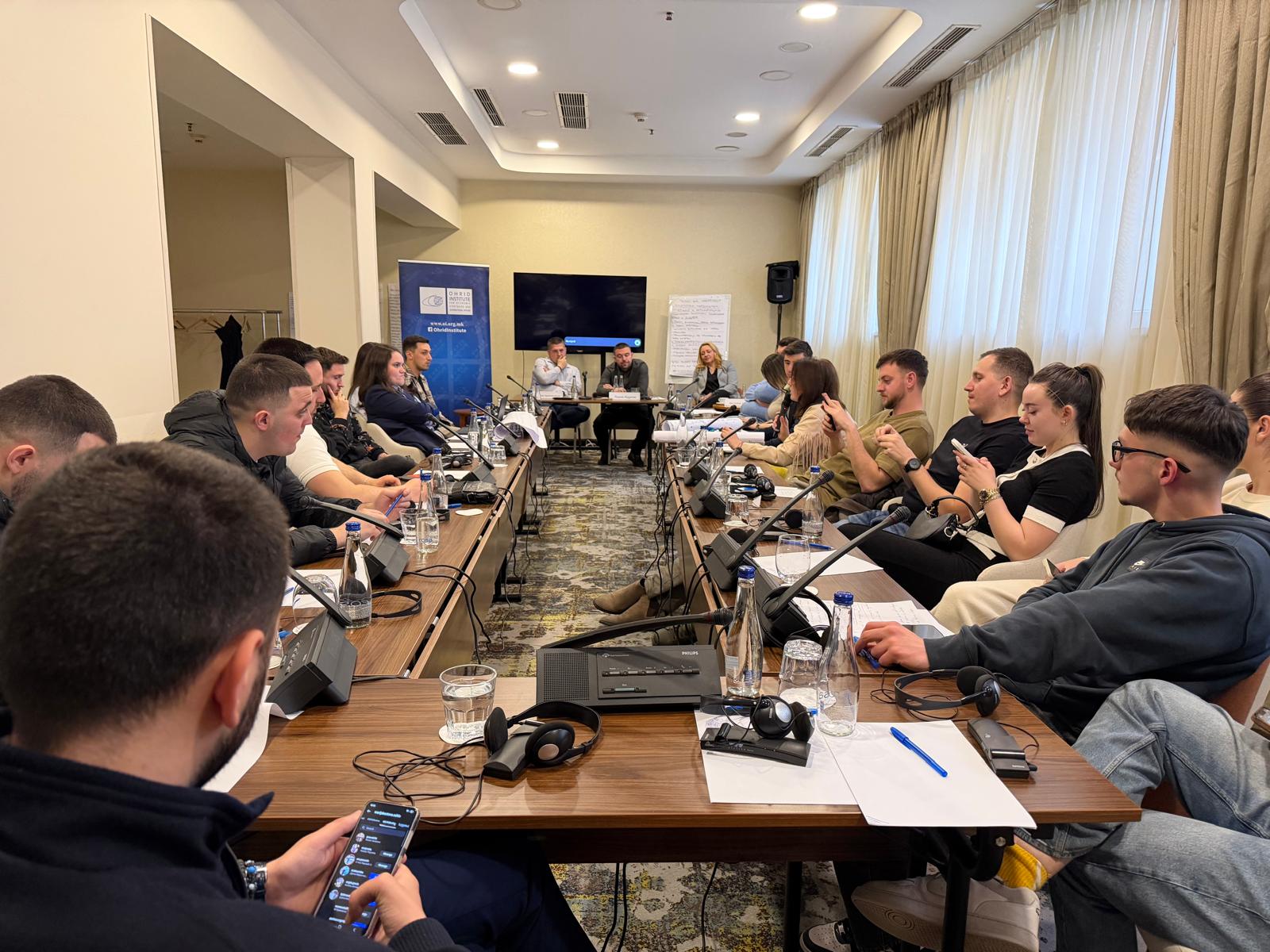
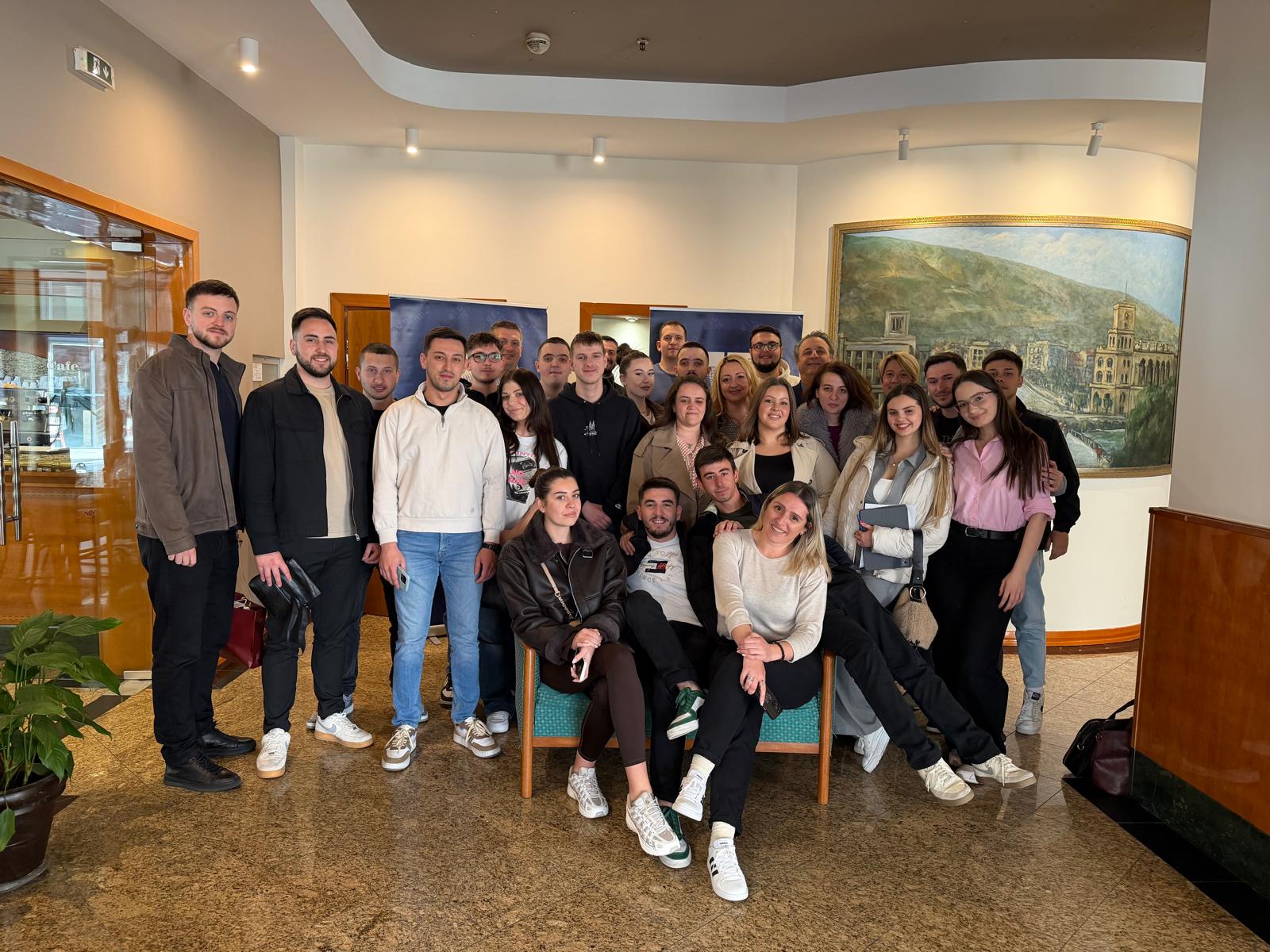
The main activity of the project was organization of a three-day hackathon. The event was placed to emphasis on political integrity data, open data, public procurement, political finance, transparency and civic-tech-oriented outputs. These elements remained central in the implementation. At the same time, the hackathon was designed in a way that made these themes accessible and practical. The participants were encouraged to use open data and public transparency issues as the basis for identifying governance problems and then to develop policy briefs, digital concepts, mock-ups, monitoring mechanisms, recommendations or reform ideas. This made it possible to ensure meaningful participation from young politicians with different backgrounds and skill sets. All participants were young politically active people. They represented 20 political parties from 21 municipalities, including 10 women and 18 men. The group included members of youth party structures as young people already active in political and public life. This made the hackathon a rare cross-party space in which young political actors from very different backgrounds worked together around themes of integrity, transparency, accountability, public finance, public procurement and anti-corruption.
The participants worked in five mixed groups, each of which developed a concrete output by the end of the hackathon. The five cross party group products reflected the project’s integrity agenda and showed that the participants were able to move from diagnosis of integrity risks to practical proposals.
The outputs included:
- a proposal for a transparent candidate evaluation and scoring system aimed at introducing a more objective, merit-based, and transparent selection process in public administration, including a digitalized scoring logic and Figma mock-up;
- BuildTrack, a digital platform concept for monitoring public construction projects in real time, designed to improve transparency, track delays and budget deviations and strengthen public oversight over major public investments;
- OpenWatch MK, a digital transparency and red-flag detection concept focused on public procurement and political party financing, using structured public data to identify suspicious patterns and improve accountability;
- a national digital platform for agricultural subsidy transparency, designed to improve fairness, visibility, and accountability in the allocation of public subsidies through accessible and machine-readable public information;
- a digital tracking tool for pharmaceutical company submissions, aimed at improving transparency, aimed at improving transparency, predictability and administrative efficiency in regulatory procedures in the health sector.
One of the most important outcomes of the final day was the development and adoption of a Joint Declaration for Integrity. This had not been planned as a formal standalone product at the beginning of the project but emerged organically from the group process and from the participants’ wish to conclude the event with a shared statement of values and commitments.
During the implementation period, the project produced a combination of outreach materials, working documents, event materials, visibility content and final substantive outputs. These materials supported the full project cycle, from participant recruitment and communication with political youth structures, to the implementation of the Anti-Corruption Academy and the three-day Integrity Hackathon and finally to the documentation of results and participant-generated outputs.